Ecotherapy Diploma CPD Training

Nature-Based Therapy Training in South Devon
The CPD Ecotherapy Diploma is a practical, professionally grounded in-person training for counsellors and helping professionals, who want to work safely, ethically and creatively outdoors.
Across 12 sessions and more than 80 hours of guided learning, the course explores how therapeutic work can move beyond the consulting room and into relationship with the natural world run by Ecotherapist and Tutor Simon Heath. Participants develop the skills, awareness and professional frameworks needed to practise ecotherapy responsibly and confidently.


Why Train in Ecotherapy Now?
Interest in ecotherapy and nature-based therapeutic work has grown significantly in recent years. Increasingly, both clients and practitioners are recognising the powerful role that natural environments can play in supporting psychological wellbeing.
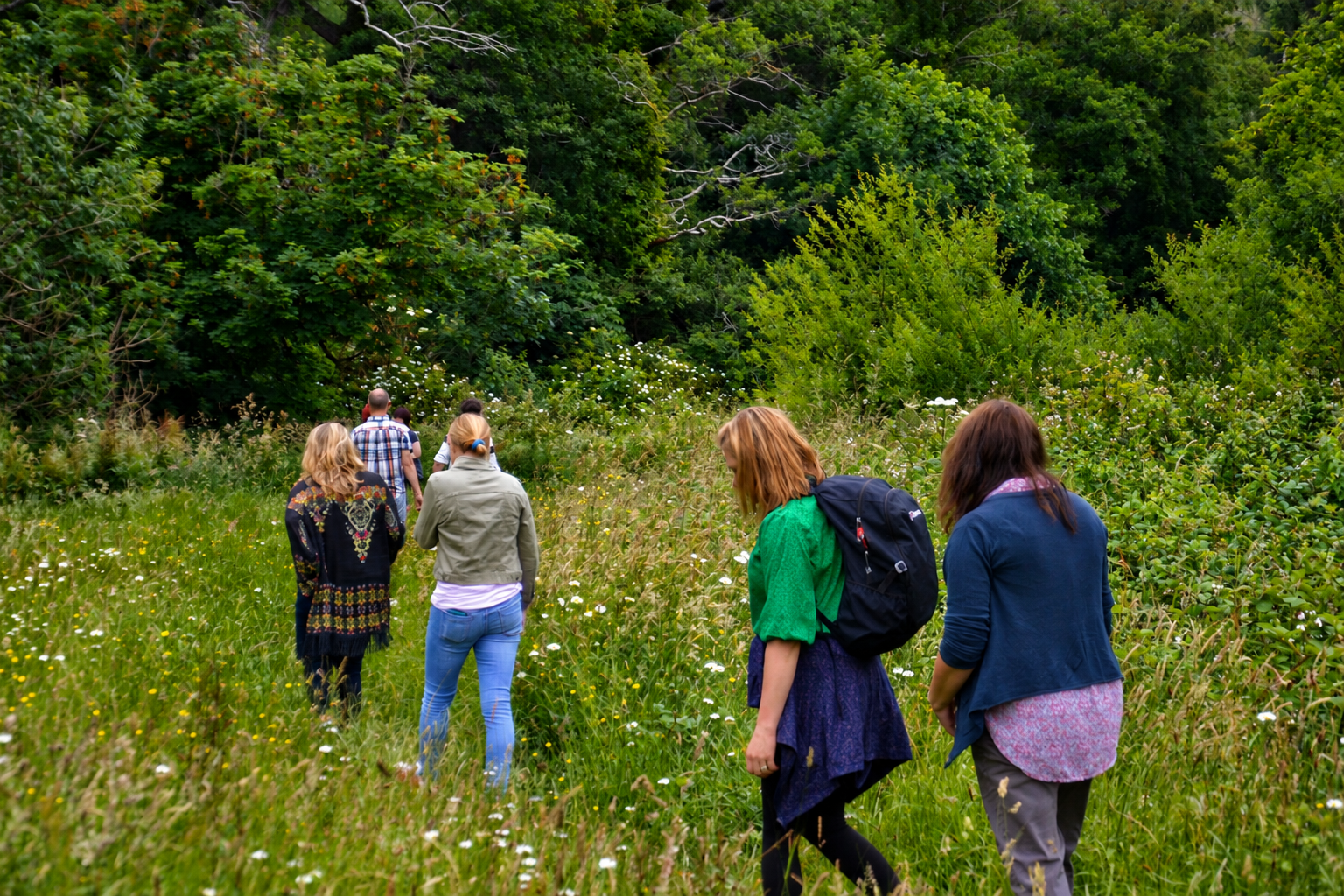
For many therapists, working outdoors offers a different kind of therapeutic space. Walking side by side can ease pressure in the therapeutic relationship, movement can support emotional processing, and natural environments often bring metaphor, perspective and regulation into the work in ways that are difficult to replicate indoors.
At the same time, outdoor therapy is not simply a matter of moving sessions into a park or woodland. It requires careful thought around safety, ethics, accessibility, risk management and professional accountability.
Practitioners need to consider questions such as:
How do we contract properly for outdoor work?
What physical and emotional risks need to be assessed?
How do we maintain boundaries and confidentiality in open environments?
How can ecotherapy be inclusive for people with different abilities or experiences of nature?
What does ethical, responsible outdoor practice really look like?
The Ecotherapy Diploma is designed to address these questions directly. It provides a structured and reflective framework that allows practitioners to develop outdoor practice with confidence, integrity and professional clarity.
By combining experiential learning with ethical reflection and practical skills, the course supports therapists to integrate nature into their work in ways that are thoughtful, grounded and sustainable.
The Content
The diploma covers areas including:
Walk-and-talk therapy
Risk assessment and outdoor contracting
Reflective practice in nature
Disability, accessibility and inclusion
The influence of place on the therapeutic relationship
Creative nature-based practice
Shinrin Yoku (Forest Bathing)
Group work outdoors
Teaching takes place across a range of outdoor environments, supported by tailored first aid training and reflective assignments that connect theory directly to practice.
The course is designed to help practitioners build an ecotherapy practice that is creative, ethical and professionally robust.
A Thoughtful Approach to Ecotherapy
This diploma is designed for counsellors and related practitioners who want to develop the knowledge, confidence and practical skills needed to work therapeutically outdoors.
Rather than simply encouraging people to "take therapy outside", the course offers a structured and reflective exploration of what safe, ethical and effective ecotherapy actually involves.
At its core is counselling in nature, particularly walk-and-talk therapy. Alongside this, the course explores wider ecotherapeutic approaches including:
Creative work with natural materials
Outdoor group processes
Seasonal awareness and place-based practice
The role of movement and environment in therapy
Participants are encouraged to reflect not only on the opportunities of outdoor practice, but also on the professional responsibilities that come with it.
Who is the Course For?
This diploma is suitable for:
Qualified counsellors
Therapists and psychotherapists
Coaches and wellbeing practitioners
Trainee counsellors with appropriate experience
Participants should have an interest in nature-based practice and outdoor therapeutic work, and be willing to engage in reflective and experiential learning.
A Creative and Grounded Diploma
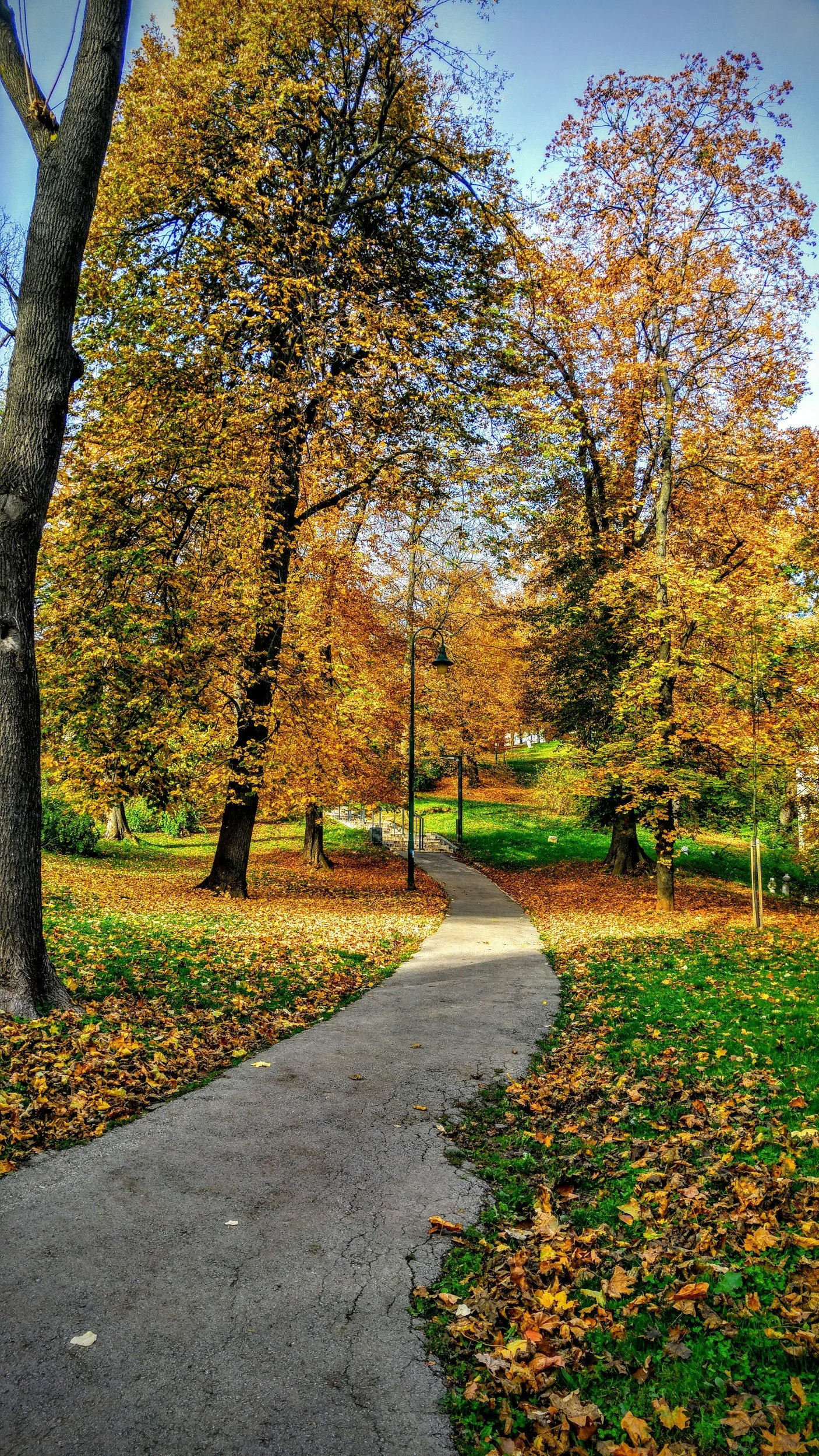
Overall, this is a substantial training for practitioners who want to build an ecotherapy practice that is both inspiring and professionally sound.
The course recognises that working outdoors can open powerful therapeutic possibilities. At the same time, it requires careful thought, clear boundaries and a strong ethical foundation. Throughout the diploma, participants are encouraged to reflect on their own relationship with nature, their therapeutic presence in different environments, and the responsibilities that come with practising beyond the consulting room.
By combining experiential learning, practical guidance and reflective assignments, the course helps practitioners develop an approach to ecotherapy that is thoughtful, safe and deeply attuned to both client and environment.
The training supports practitioners to work outdoors with greater:
clarity
confidence
ethical awareness
care for both clients and themselves
Safety, Ethics and Professional Accountability

Working outdoors introduces important practical and ethical considerations.
The diploma includes focused teaching on:
Physical and emotional risk in outdoor work
Contracting for therapy in natural environments
Boundaries and containment in open spaces
Insurance and professional responsibilities
Appropriate supervision for outdoor practice
The course also explores disability, accessibility and inclusion, inviting participants to consider how ecotherapy can be responsive to clients with differing needs and how a person’s relationship with the natural world may be shaped by trauma, disability or life experience.
An Experiential Learning Environment
This training is intentionally experiential.
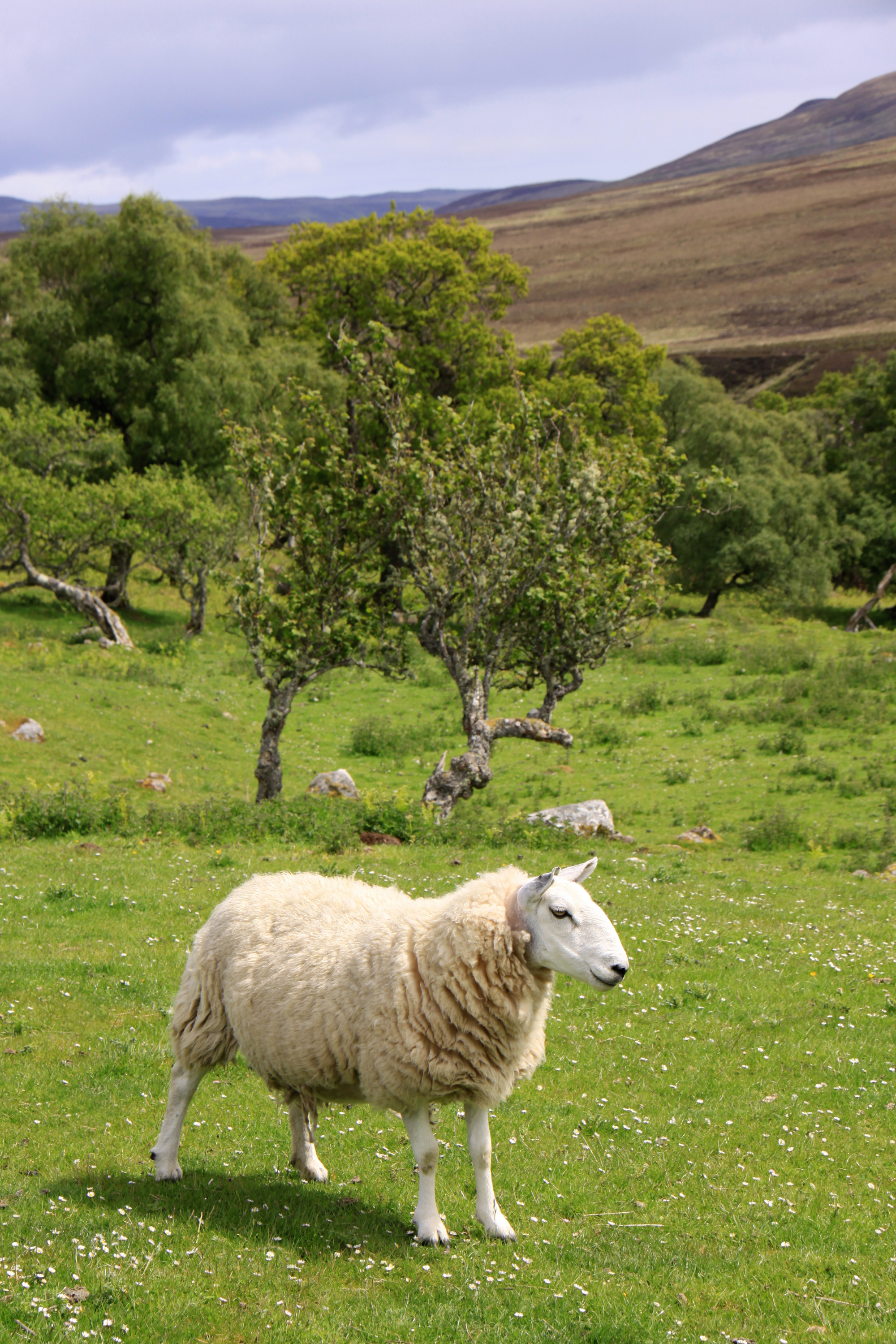
Sessions take place across a variety of environments in South Devon, allowing participants to explore how different landscapes influence therapeutic presence, pacing, metaphor and connection.
Locations include parkland, coastline, woodland and moorland environments. These settings allow learners to experience directly how place can shape therapeutic process and relational depth.
Written and reflective assignments support learning throughout the course, linking practice to ethical thinking, creativity and critical reflection.
A tailored First Aid at Work element is also included, recognising the practical realities of outdoor therapeutic work.
Your Tutor
Simon is an experienced counsellor, supervisor, and tutor with a strong focus on ecotherapy and experiential learning. Grounded in a Person-Centred approach and informed by Gestalt and somatic awareness, his work is relational, attuned, and gently challenging.
He primarily works outdoors, offering walk-and-talk sessions that use the natural environment to support reflection, emotional processing and reconnection. Alongside his clinical work, he has over ten years’ experience delivering counselling training and is known for creating engaging, practical learning environments that build confidence and encourage authentic practice.
He brings warmth, clarity, and depth to both his therapy and teaching, with a strong emphasis on safety, connection and real-world application.

Course Structure & Dates
The Ecotherapy Diploma runs across 12 sessions over approximately 7 months, providing more than 80 hours of guided learning.
Numbers are limited to support experiential learning.
Course fee: £1200 per person

2027 Course Dates and Locations
The courses takes place across several outdoor environments and across three seasons in South Devon.
The course runs fortnightly on a Thursday
9.30am - 3.30pm
Each term contains 4 sessions
There are 3 terms
There is a 4 week break between terms
Session 1 – 27th May 2027 Step by Step Counselling Training, Newton Abbot & Bakers Park
Session 2 – 10th June 2027 Step by Step Counselling Training, Newton Abbot & Bakers Park
Session 3 – 24th June 2027 Dartmoor, Haytor Lower Car Park
Session 4 – 8th July 2027 Step by Step Counselling Training, Newton Abbot & Bakers Park
Session 5 – 5th August 2027 Step by Step Counselling Training, Newton Abbot & Bakers Park
Session 6 – 19th August 2027 Step by Step Counselling Training, Newton Abbot & Bakers Park
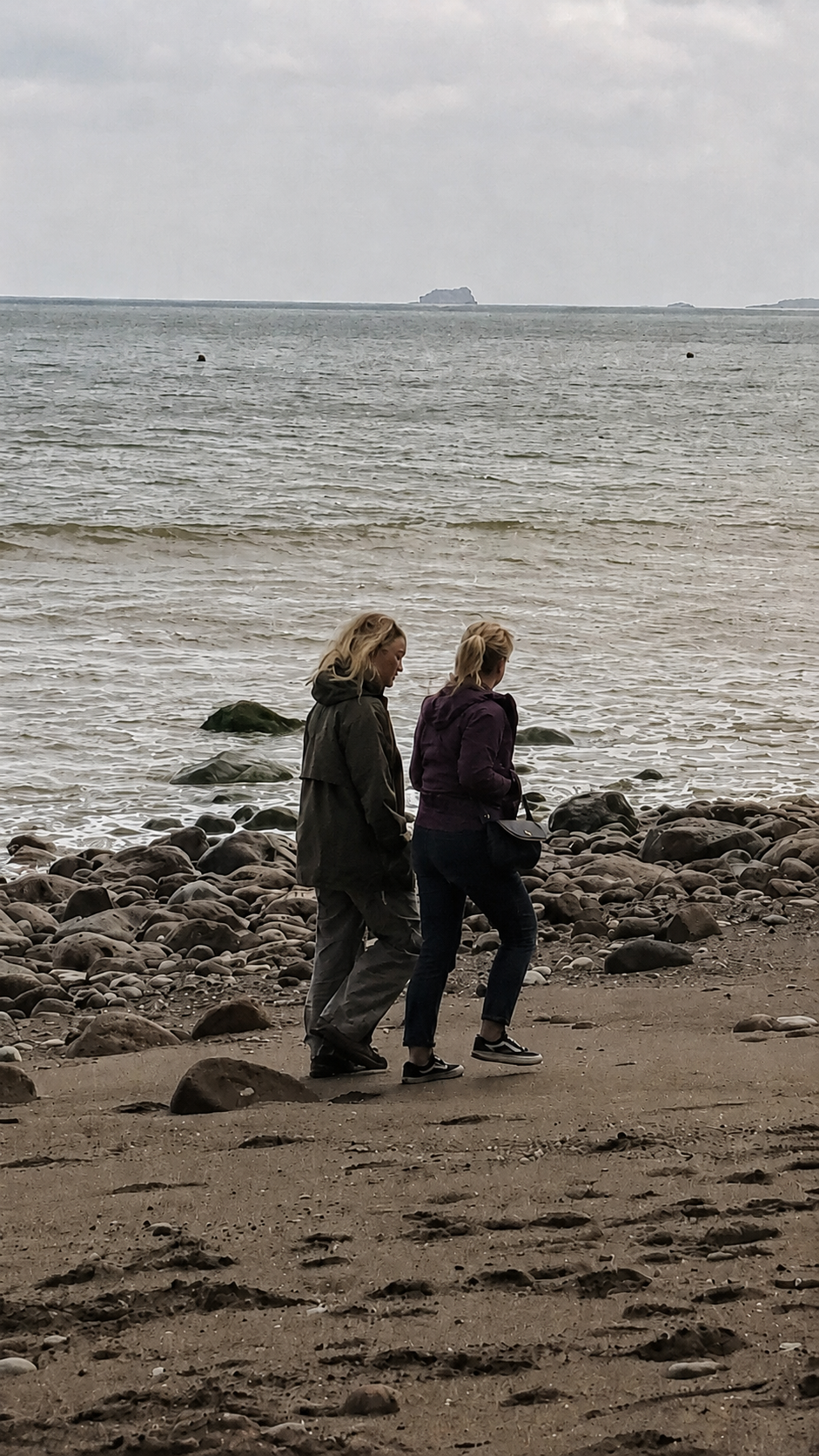
Session 7 – 2nd September 2027 Teignmouth Seafront & The Ness, Shaldon
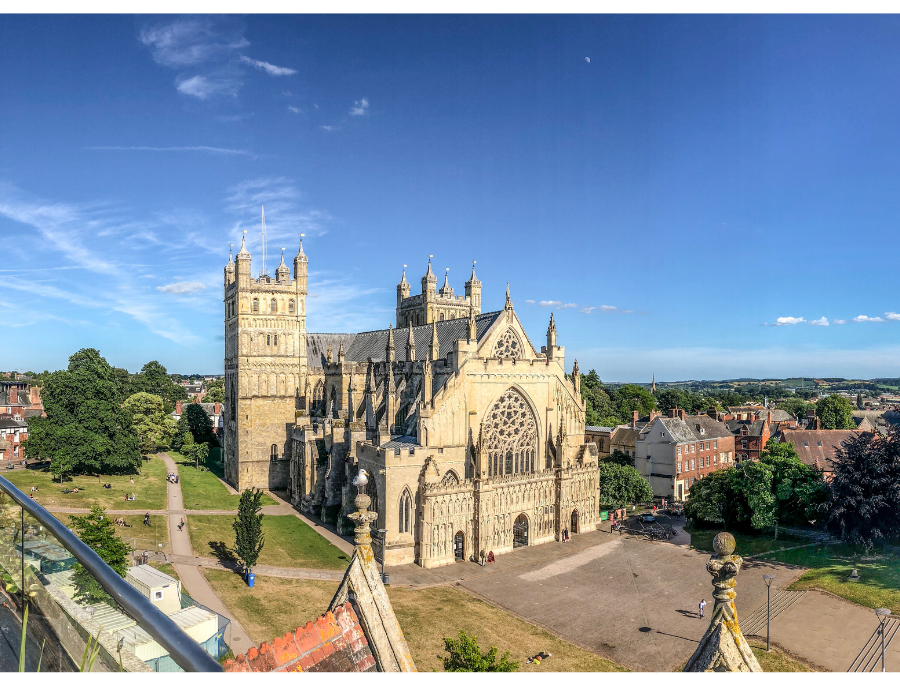
Session 8 – 16th September 2027 Exeter, Northernhay Gardens
Session 9 – 14th October 2027 Dartmoor, Dartmoor Activity Centre
Session 10 – 28th October 2027 Step by Step Counselling Training, Newton Abbot & Bakers Park
Session 11 – 11th November 2027 Step by Step Counselling Training, Newton Abbot & Bakers Park
Session 12 – 25th November 2027 Step by Step Counselling Training, Newton Abbot & Bakers Park
More venue details and travel information are included in the timetable guide.
Small, supportive learning environments (maximum 13 in a group)
Teaching that integrates theory with lived experience
Clear ethical boundaries and professional standards
Emphasis on skills practice and reflective learning
Tutors who teach from real practice, not just textbooks
Why Step by Step Counselling Training?
We are an independent training provider offering a thoughtful, grounded approach to counselling education.
We are not a large institution. We are intentional, human and focused on quality.


Meet the Team
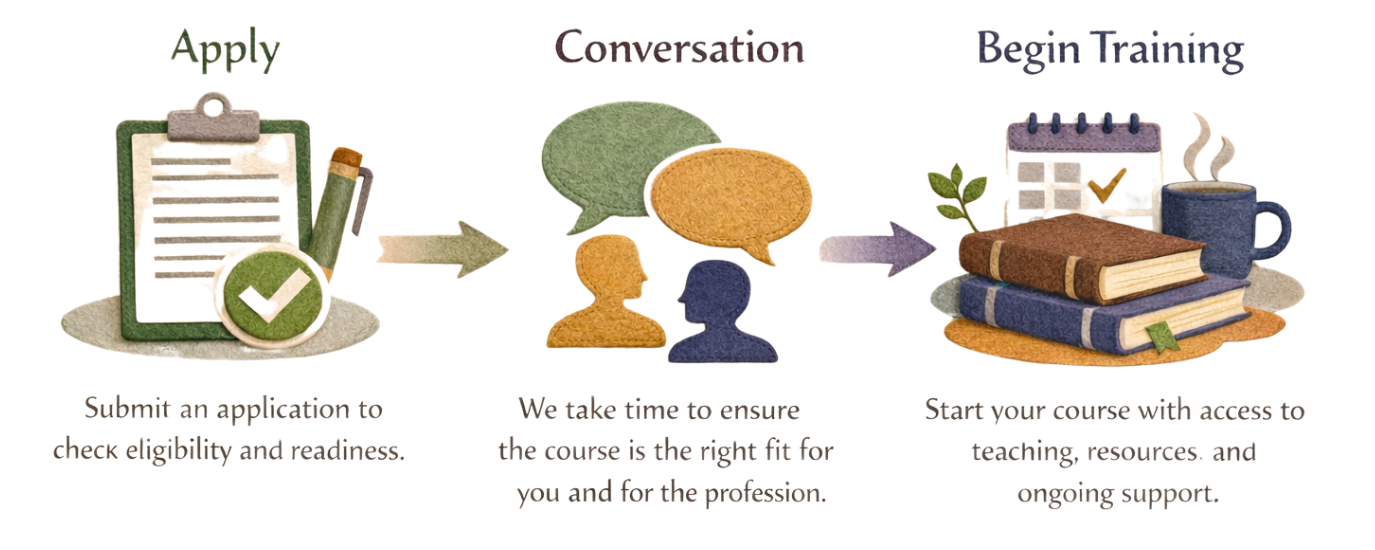
How Applying Works