
Training
If you are thinking about becoming a counsellor, it can be difficult to know where to begin. Counselling training usually happens in stages, allowing you to build skills, confidence and experience over time.
LEVEL 2 EQUIVALENT
You are new to counselling studies or have completed the equivalent of level 1 in counselling.

Georgia Baker
“The most meaningful part of Step By Step has been the people I’ve met; tutors and fellow students who created a safe, supportive space where I could be completely myself. I’ve made lifelong friends and felt truly seen, heard and supported along the way.
Since starting with Step By Step Counselling Training at the age of 19 in 2021, I’ve grown hugely in confidence and self-awareness. It has changed how I see myself, how I approach life, and given me tools and friendships that I’ll carry with me for years to come. I would do it all over again” ~ Georgia Baker
Foundation Certificate in Counselling (Level 2 equivalent)
An introductory stage for those beginning their counselling training.
This 10 week NCPS quality checked programme builds strong foundations in counselling skills, theory, self-awareness and ethical awareness. It is designed for those who are starting to take counselling more seriously and want a solid, supportive grounding before progressing further.
You will begin to develop core listening skills, an understanding of boundaries and ethical practice, and the reflective capacity needed to move into Level 3 training and beyond
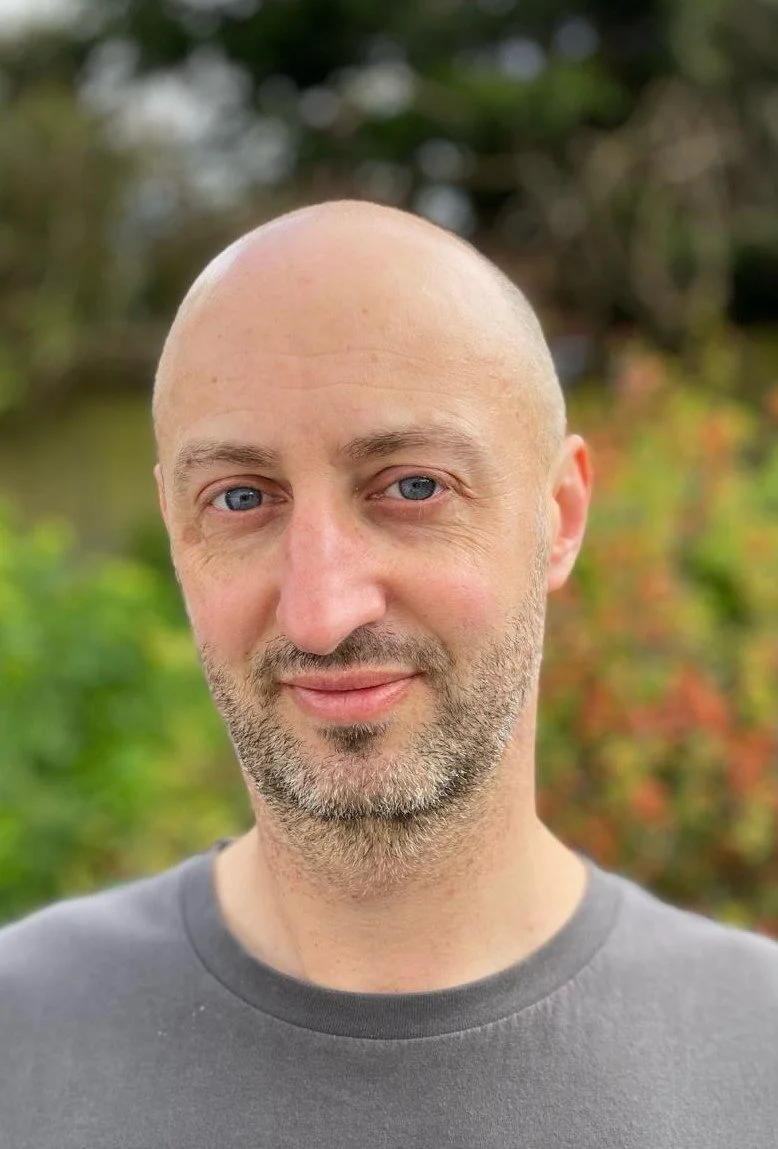
Ed Gore - Tutor

A Quality Checked course alone is not a route to the Accredited Register and does not itself fully qualify someone to practise as a counsellor.
Advanced Certificate in Counselling (Level 3 equivalent)
An introductory professional qualification for those beginning their counselling training.
This 12 week NCPS quality checked programme builds strong foundations in counselling skills, theory, self-awareness and ethical practice. It’s designed for those considering a professional qualification and wanting a solid, supportive grounding before progressing to practitioner training.
You will develop core listening skills, an understanding of ethical frameworks, and the reflective capacity required for Level 4 study.
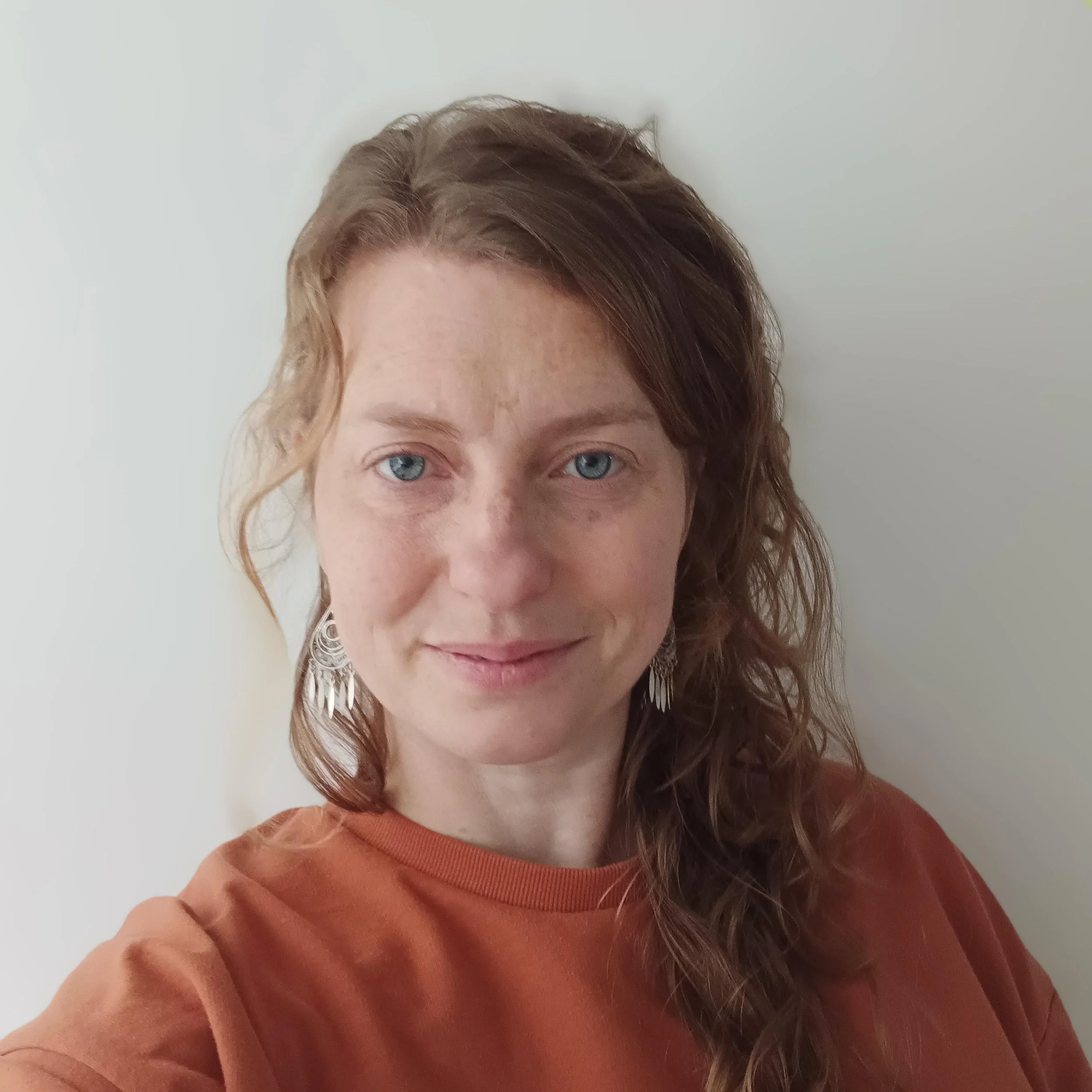
Becky Nel - Tutor MBACP

A Quality Checked course alone is not a route to the Accredited Register and does not itself fully qualify someone to practise as a counsellor.


Level 4 Diploma in Counselling
A professional diploma designed to prepare you for real client work.
Level 4 deepens your counselling skills, ethical awareness and professional identity. With a strong emphasis on safe, supervised practice, you will learn how to work confidently with clients while developing the maturity and responsibility required for professional registration.
This is the stage at which you move from learning about counselling to becoming a practising counsellor under supervision.
Level 4 Diploma in Counselling has been awarded Accredited Training recognition, and NCPS currently describes Accredited courses as meeting its Standards of Training and Education, with graduates fulfilling the training requirements for its Accredited Register.

Simon Heath - Tutor PNCPS (Accred.)

Sami Choudhury - Tutor MNCPS (Accred.)
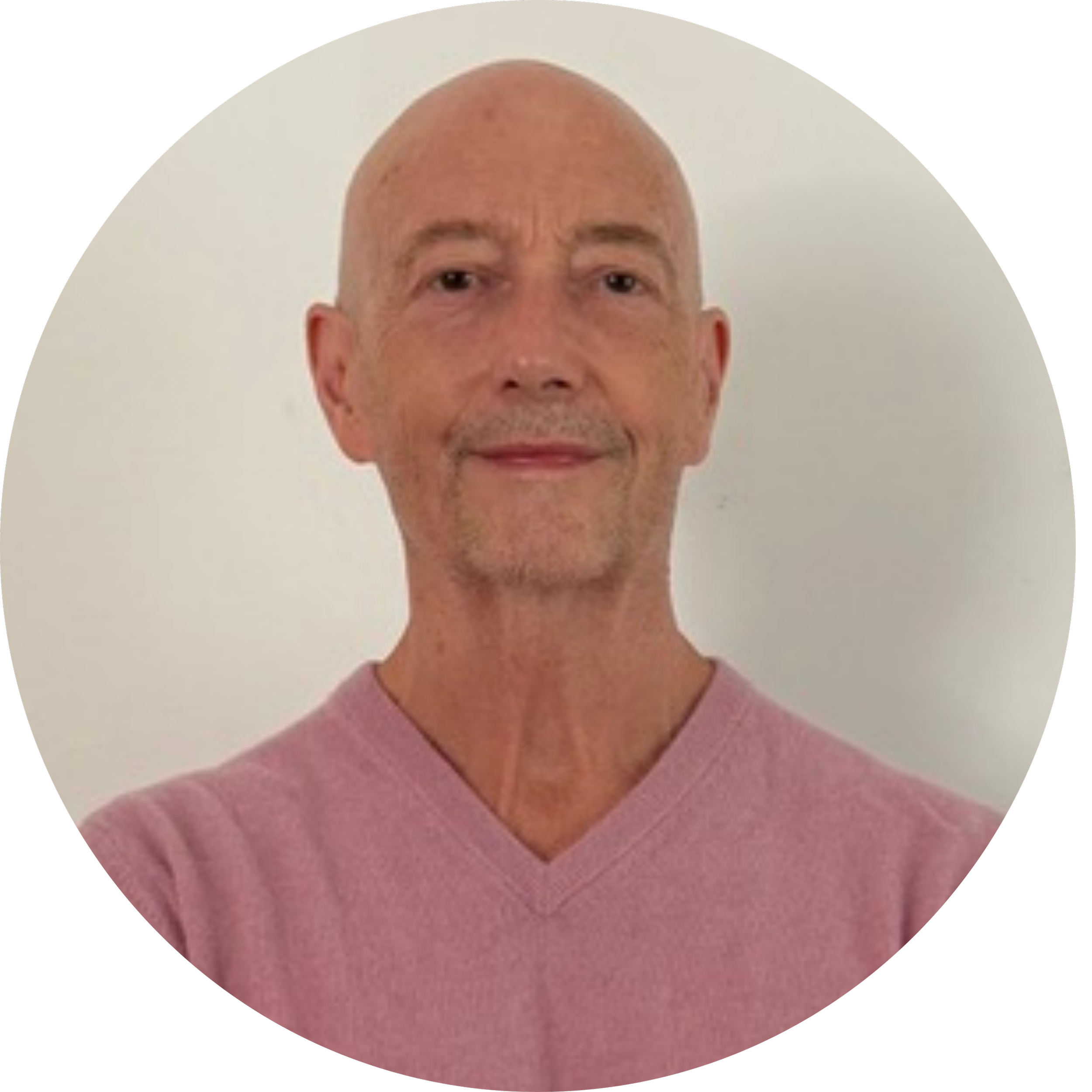
Sean Flynn - Tutor (MBACP)
Find out more about our CPD Courses


How the courses are taught
Learning structure:
Tutor-led in-person teaching sessions
Skills practice in small groups
Reflective exercises
Guided discussion and feedback
Reading and self-study
Assessments are focused on learning and development rather than performance. We embrace personality, difference and creativity. This enhances your experience during training and as a congruent practitioner.
It is important that you can contribute, listen and be respectful in a group environment, as your peers will be your closest collaborators. They and you will often be holding deep and personal stories, both individually and within the group, particularly during level 4.
Confidentiality is vital during training, so the environment feels comfortable and safe. However, you will only be required to disclose what you feel is comfortable for you and the tutors are always on hand to talk with you about any concerns you may have. Courses are a mixture of professional training and important self-awareness.
The best counsellors are the ones who work through their own situations and life experiences, to enable them to deliver empathic and understanding counselling sessions with people who need it.

Contact Us
Fill out some info and we will be in touch shortly. We look forward to hearing from you.