

What Can I Do With a Counselling Qualification?
Training as a counsellor is often the start of a much bigger journey. Many people begin because they want to help others, understand themselves better, or move into a more meaningful career.
At Step by Step Counselling Training, our courses are designed to give you practical, real world skills as well as a clear pathway into professional counselling if you wish to continue.
Below is a guide to what each stage of training can lead to.
After Level 3
Advanced Certificate in Counselling (Level 3 Equivalent)
Level 3 is where counselling begins to come alive.
You move beyond introductory skills and begin developing a deeper understanding of therapeutic relationships, self awareness, and how counselling theory connects to real human experience.
This course is ideal for people who want to:
• explore counselling in more depth
• develop strong listening and relational skills
• increase emotional intelligence
• understand themselves and others better
• take the next step towards professional counselling training
What you can do with Level 3
Many people take Level 3 as a stand-alone qualification to strengthen their current role or personal development.
It is particularly valuable for people working in helping professions such as:
• teaching and education
• support work
• nursing or healthcare
• coaching or mentoring
• youth work
• pastoral care
• HR and people management
• community and charity roles
The skills developed during Level 3 can improve:
• communication
• conflict resolution
• empathy and relational awareness
• confidence in supporting others
Many students also say it transforms their personal relationships and self understanding.
Progressing to professional counselling
For those who want to become practising counsellors, Level 3 is usually the gateway into Level 4 Diploma training, where professional practice begins.

After Level 4
Level 4 Diploma in Counselling
Level 4 is where training moves from learning about counselling to becoming a practising counsellor.
During the diploma you develop the knowledge, practical skills, and supervised placement experience required to work with real clients.
Once qualified, many graduates begin building a counselling career in a range of settings.
Career paths after Level 4
Qualified counsellors work in many different environments, including:
Private Practice
Many counsellors establish their own private practice working with individuals, couples or groups.
Charities and Third Sector Organisations
Many mental health charities employ counsellors to support clients with specific needs such as trauma, addiction, bereavement, or domestic abuse.
Schools and Colleges
Counsellors are increasingly needed within educational settings to support young people with emotional wellbeing.
GP Surgeries and Health Settings
Some counsellors work within primary care services or alongside healthcare professionals.
Employee Assistance Programmes (EAP)
Many organisations provide counselling support to employees through EAP services.
Community Services
Local community projects often employ counsellors to support vulnerable groups.
Specialist Areas
As your experience grows, you may choose to specialise in areas such as:
• trauma work
• addiction
• relationship counselling
• neurodiversity
• working with young people
• ecotherapy or outdoor therapy
Many Counsellors Build Portfolio Careers
One of the most attractive aspects of counselling is the flexibility it offers.
Many qualified counsellors combine several roles, for example:
• private practice alongside part time agency work
• counselling alongside coaching or mentoring
• specialist therapy work alongside training or supervision
Over time, counsellors often develop their own areas of passion and expertise.
Counselling Training Is Also Deep Personal Development
Although some students come with a clear career goal, many discover that the biggest impact is personal.
Counselling training develops:
• self awareness
• emotional maturity
• relational understanding
• reflective thinking
These qualities are valuable in every part of life.
Thinking About Training?
If you are curious about whether counselling training might be right for you, the best first step is often simply a conversation.
We are always happy to talk through:
• which course might suit you best
• whether you are ready for Level 3 or Level 4
• how counselling training works in practice
You can book an informal chat or contact us if you would like to explore the next step.
Why Step by Step Counselling Training?
We are an independent training provider offering a thoughtful, grounded approach to counselling education.

Small, supportive learning environments (maximum 13 in a group)
Teaching that integrates theory with lived experience
Clear ethical boundaries and professional standards
Emphasis on skills practice and reflective learning
Tutors who teach from real practice, not just textbooks
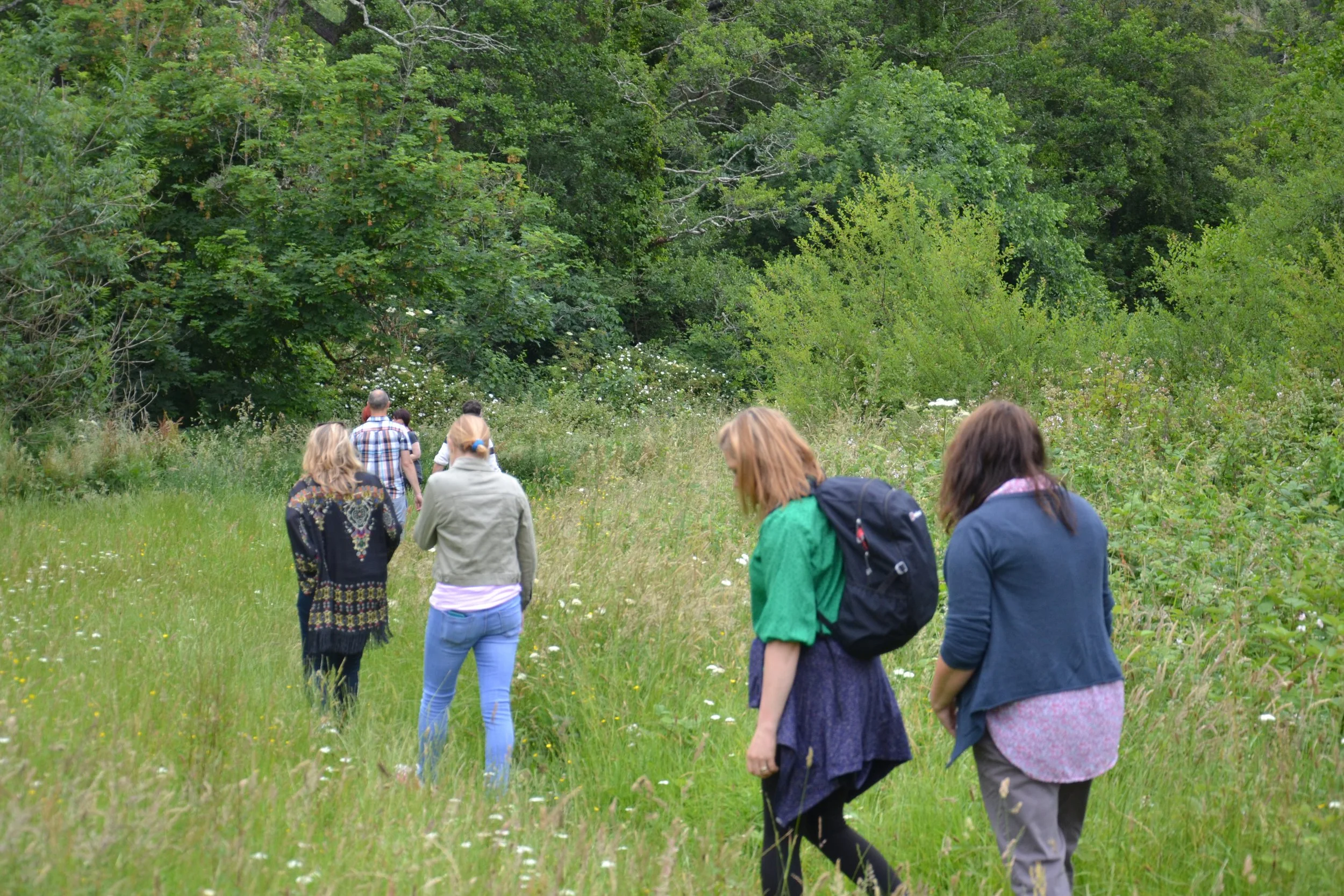
We are not a large institution. We are intentional, human and focused on quality.


Meet the Team
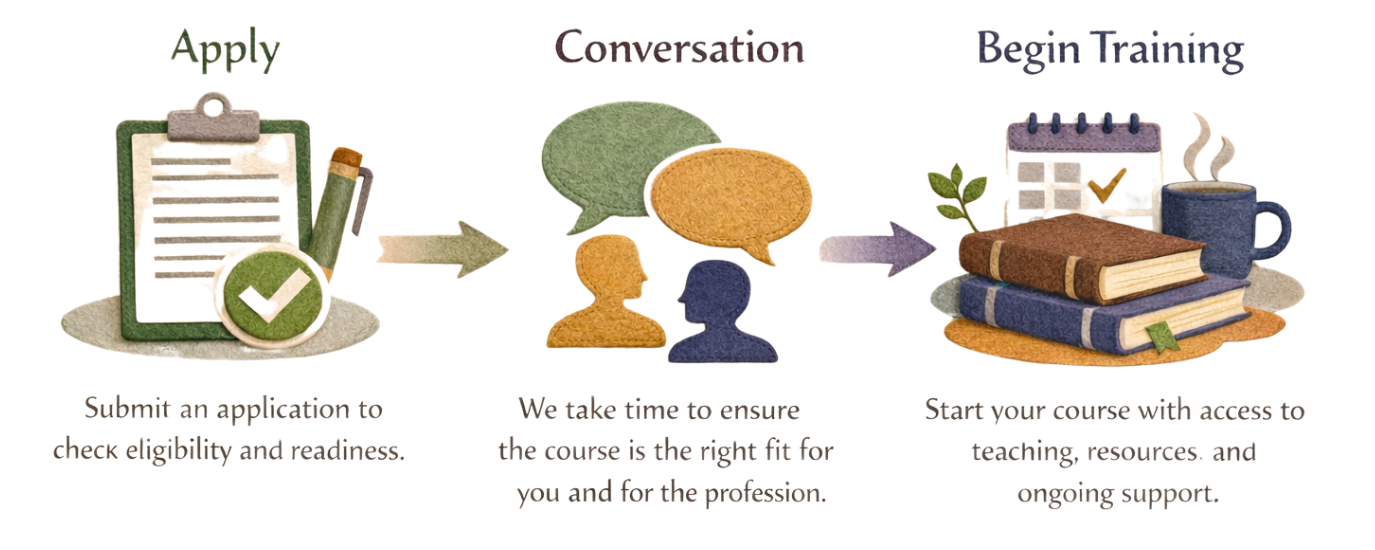
How Applying Works
Student Voices
Our courses are shaped in relationship. We regularly gather feedback during and after training so we can respond, adapt, and deliver learning that stays aligned with student experience and professional practice.
"Love the feedback, it helps know how I am doing and things that I need to incorporate into future work." - NH
"Love that the rooms all have their own character." - EG
"I don't know how to say what I want to say. The tutors are wonderful, I've learnt so much and can't imagine learning to be a counsellor with anyone else."
"The theory and skills practice were balanced really well"
"Love the feedback, it helps know how I am doing and things that I need to incorporate into future work." - NH "Love that the rooms all have their own character." - EG "I don't know how to say what I want to say. The tutors are wonderful, I've learnt so much and can't imagine learning to be a counsellor with anyone else." "The theory and skills practice were balanced really well"
Not sure if counselling training is right for you?
Choosing to train as a counsellor is a significant decision. If you are unsure, contact us for a chat.